
Bullying among us.
In our Home, Public Space, and Schools.
In Our Communities, we need to put a stop to BULLYING!!!
By: Maria Flint
Bullying is unwanted, repeated aggressive behavior among school-aged children (and adults) involving a real or perceived power imbalance, including physical, verbal, social, and cyberbullying. Prevention requires fostering safe environments and building resilience, while reporting involves informing trusted adults or school authorities. Resources like StopBullying.gov provide critical support.
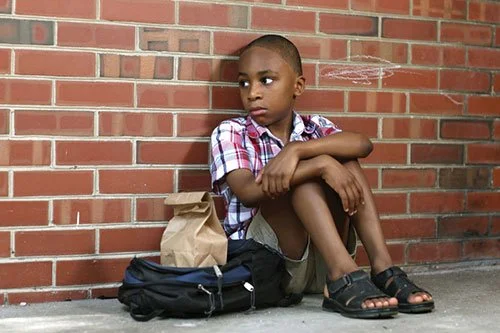
Types of Bullying
Physical: Hitting, kicking, tripping, or stealing belongings.
Verbal: Name-calling, taunting, teasing, or threatening.
Social/Relational: Spreading rumors, purposeful exclusion, or shaming.
Cyberbullying: Harassment via electronic technology, including texting, social media, or email.
Key Statistics & Impact
Bullying is a common experience, affecting social, emotional, and academic development.
It often targets those viewed as weaker or different.
In school shooting cases between 2013 and 2019, 60% of shooters reported being bullied, highlighting the need for prevention.
It can cause long-term, serious, and lasting problems for both victims and perpetrators.
How to Prevent Bullying
Open Communication: Keep a dialogue with children to spot changes in behavior or disposition.
Build Resilience: Encourage confidence and help children develop skills to stand up to bullies.
Supportive Environment: Implement school-based prevention programs and encourage peers to speak up rather than stand by.
Adult Vigilance: Monitor spaces like playgrounds, buses, and lunchrooms.
Signs of Being Bullied
Unexplained injuries, lost/destroyed belongings, and changes in eating or sleeping habits.
School avoidance, declining grades, and sudden loss of friends.
Low self-confidence, anxiety, or emotional outbursts.
Unicef +1
How to Report Bullying
Tell a Trusted Adult: Report to parents, teachers, school counselors, or principals.
Document Incidents: Keep a record of when and where bullying occurred.
Use Digital Tools: Utilize apps like Speak Up.
YouTube +4
Emergency and Confidential Support
Immediate Danger: Call 911.
Crisis Text Line: Text "HOME" or "CONNECT" to 741741 to connect with a crisis counselor.
NYC Well (NYC): Call 1-888-NYCWELL (1-888-692-9355), text "WELL" to 65173, or chat at nyc.gov/nycwell.
STOMP Out Bullying: Offers a HelpChat Line for youth.
Teen Line: Call 800-852-8336 or text 839863 (6 pm - 10 pm PST).
Crisis Text Line +4
Reporting School Bullying (NYC Focus)
NYC Public Schools: Report to the principal, or call 718-935-2288.
Email Support: RespectForAll@schools.nyc.gov.
Online Form: nycenet.edu/BullyingReporting.
311: Call 311 or visit nyc.gov/311 to report.
We are against BULLYING!
Our journey has been anything but ordinary. Bullying among our children and young adults is a serious concern in our community. It occurs in homes, public spaces, and schools, affecting their safety, confidence, and well-being. We recognize and understand the problem, but the urgent question remains: how can we solve it? Addressing bullying requires collective effort from parents, educators, leaders, and community members to take responsibility, speak up, educate, and model respect and kindness. Together, we can create safe environments where every child and young person is protected, valued, and supported.
By: Maria Flint
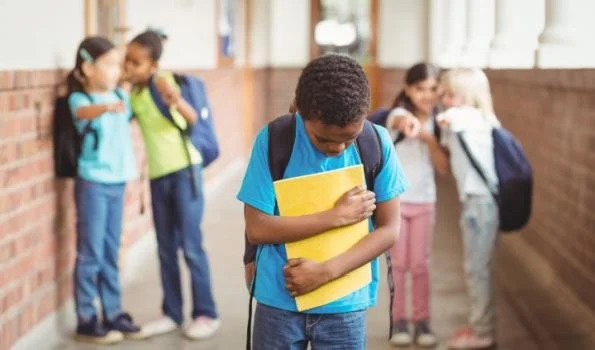
Our Vision
Our vision is to establish a dedicated community committee that will design, organize, and implement solution-based programs to address bullying among children and young adults. This committee will work to raise awareness, promote mental health support, and reach households where bullying behaviors begin and are reinforced. By engaging families, schools, and community spaces, we aim to create safe environments rooted in respect, accountability, and care..
How We Can Reach Those Affected?
To reach children and young adults who are being bullied—or who may be bullying others—we must meet them where they are:
Safe reporting channels: confidential hotlines, online forms, or trusted community contacts
School and youth partnerships: collaboration with teachers, counselors, coaches, and youth leaders
Community outreach: workshops, town halls, faith-based gatherings, and public forums
Peer support programs: youth ambassadors and mentorship groups that encourage speaking up
Targeting the Root: The Household
Bullying often begins or is reinforced at home. Our program will:
Provide family education sessions on healthy communication and conflict resolution
Offer mental health resources and referrals for parents, guardians, and youth
Create non-judgmental intervention pathways that support change rather than punishment
The Solution & Support System
Our committee will develop a structured system that includes:
Mental health awareness and access to counselors
Early intervention and follow-up support
Clear referral pathways for schools and community members
Ongoing evaluation to ensure accountability and effectiveness
Our Commitment
We are committed to building a community-wide system of prevention, support, and healing. By working together, we can stop bullying at its roots and ensure that every child and young adult feels safe, valued, and supported.
Please understand
This is a place where we come together to listen, support one another, and make real change in our community. We cannot do this alone—we need your support, your voice, and your commitment. We would love to hear your ideas and for you to join us in shaping solutions that truly make a difference. It takes a village to build a village, and together we can create a safer, healthier environment where our children and young adults can grow free from bullying and fear.
Support Group
Please submit a form for more details or support the cause



Their attention to detail and commitment to quality truly stood out. We’ve already recommended them to others.
—Former Customer